
The Importance of Medical Recliners in Patient Recovery
Share
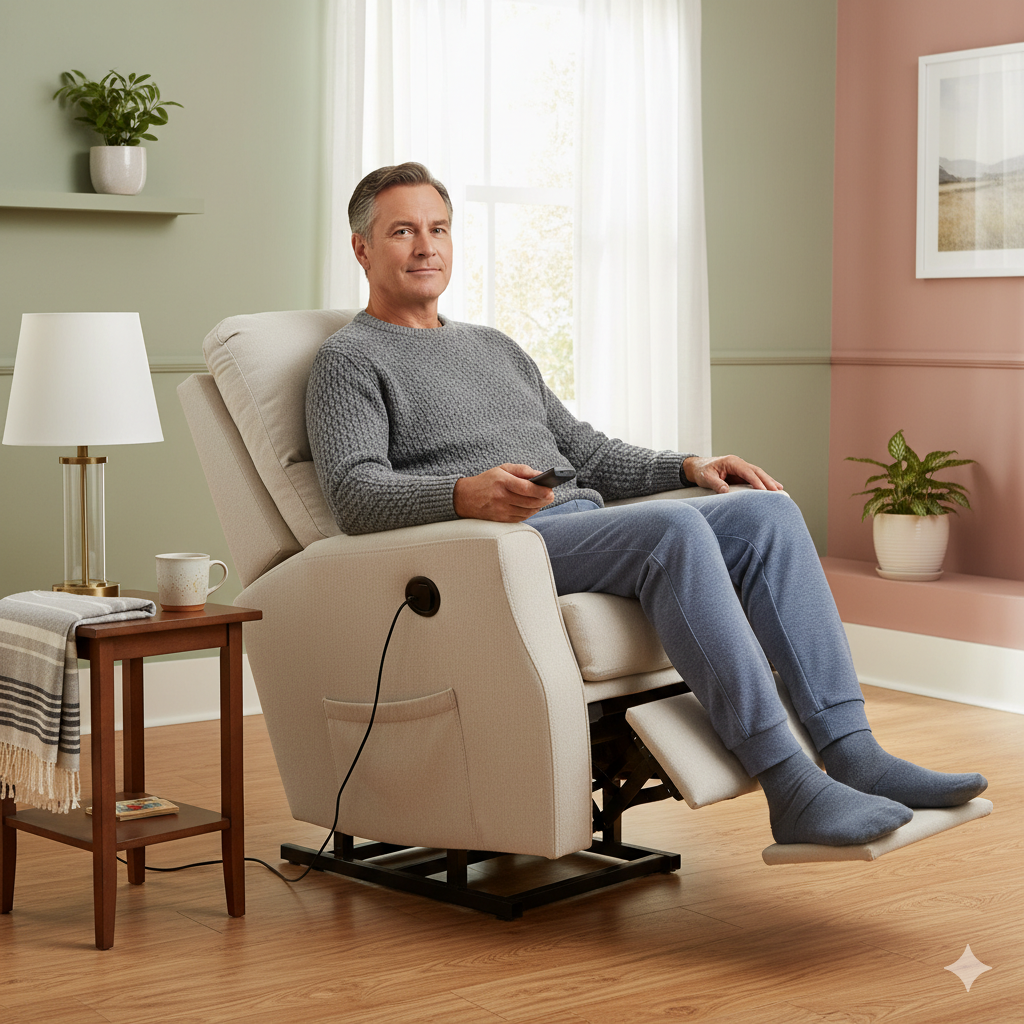
Setting up a comfortable place to rest is one part of planning for recovery at home or in a care facility. A medical recliner may offer adjustable positioning and powered lift assistance, depending on the model. Whether it is suitable after surgery or for long-term use depends on the person's mobility, medical instructions, and the chair's features.
Unlike a standard chair, some medical recliners offer features such as powered lift assistance and adjustable back or leg positions. These features may make sitting or standing easier for some users, but they do not treat a medical condition or guarantee a safer recovery. Medical Services and Supplies offers recliner options for customers to compare based on individual needs.
Why Medical Recliners Matter in Recovery
Recovery needs vary by person and procedure. Depending on the model, medical recliners may offer comfort and positioning features such as:
- Adjustable reclining positions for personalised comfort.
- Padded support for comfort; a recliner alone should not be relied on to prevent pressure injuries. Follow clinical guidance on repositioning and pressure relief.
- Lift assistance that may assist some users when moving from sitting to standing; fit, strength, and supervision needs vary.
- Durability and support, essential for those who spend extended time in recovery chairs.
For some people, a suitable chair may make parts of the daily routine more manageable. It does not replace hands-on assistance or care recommended by a healthcare professional.
Patient Comfort and Healing
Comfort matters when someone spends long periods seated during recovery. Some people may prefer an adjustable recliner over a standard chair, but comfort, fit, and positioning needs vary by person and procedure.
Padded seating and adjustable positions may help some users find a comfortable resting posture. Some models allow leg elevation, but a chair does not guarantee improved circulation or reduced swelling. After surgery, follow the care team's instructions on leg elevation and positioning.
Adjustable Recliners: Supporting Individual Needs
Every patient has unique requirements during recovery. Adjustable recliners provide flexibility by allowing users to modify the chair’s angle and height for personalised comfort.
For example:
- Post-surgery patients should follow their surgical team's advice on recline, leg elevation, and pressure around healing areas.
- Individuals with respiratory conditions may find a particular seated position more comfortable, but should follow their clinician's advice and treatment plan.
- Seniors managing arthritis often appreciate the gentle lift function that reduces stress on joints.
The adaptability of medical recliners makes them versatile enough to support a wide range of health needs.
The Role of Medical Recliners in Post-Surgery Recovery
After surgery, the appropriate balance of rest, movement, and positioning depends on the procedure and care plan. A medical recliner may offer another place to sit or rest, but users should follow instructions about when to move and whether leg elevation or certain recline positions are appropriate.
Depending on the user's needs and the chair's features, adjustable positioning may support comfort during recovery by offering:
- Adjustable back and leg positions for comfort.
- Seating that can be adjusted to the user's preferred position, when medically appropriate.
- Powered lift assistance for some sit-to-stand transfers.
- An alternative place to sit or rest when approved by the care team.
A recliner can be one part of a home recovery setup, but it does not replace prescribed medication, physical therapy, or clinical advice.
Home Recovery Furniture: Independence at Home
Recovering at home requires the right tools. A medical recliner can be one option in a home recovery setup and may support sitting comfort or transfers for some people, depending on the model and individual needs.
Powered lift functions may assist some users with the sit-to-stand movement, but they do not remove all effort or eliminate the need for help. Caregivers should follow the equipment instructions and any transfer guidance from the care team.
For families, the right equipment may support daily routines at home, but transfer safety depends on suitable equipment, correct setup, and the level of assistance the person needs.
Short-Term Needs: Recliner Rentals
Not every recovery requires a long-term investment in medical equipment. For patients with temporary needs, renting offers a practical solution. Options such as recliner lift chair rental provide access to high-quality recovery furniture without the commitment of purchase.
If you’ve searched for rent recliner lift chair near you or wondered whether it’s worth it to rent a recliner lift chair, the benefits are clear:
- Cost-effective: Ideal for short-term recovery periods.
- Convenient delivery: Equipment can be set up quickly in the home.
- Flexible use: Chairs can be returned once no longer needed.
This option ensures patients have access to the right support during critical recovery phases without unnecessary expenses.
Therapeutic Benefits of Medical Recliners
Medical recliners are sometimes used during recovery because of their comfort and positioning features. These features may help with daily activities, but should not be presented as treating an illness or speeding healing.
Key therapeutic advantages include:
- Leg positioning on some models; follow professional guidance on whether elevation is appropriate.
- Adjustable positioning may help some people find a comfortable position, but it is not a pain treatment.
- Seated positioning may be more comfortable for some people; follow clinician advice for respiratory conditions.
- Pressure management requires an appropriate care plan; a recliner alone does not prevent pressure ulcers.
These features may be useful for some people who need extra positioning or transfer support. The right choice depends on the individual's condition, mobility, and care plan.
Lift Assistance and Transfer Safety
Falls are a concern for many people with limited mobility. A powered lift chair may assist with standing, but it does not prevent falls or guarantee safe transfers. Suitability, correct setup, balance, and any need for supervision should be considered.
A powered lift recliner raises the seat to assist the sit-to-stand movement. The amount of help it provides varies, and users may still need supervision or hands-on assistance. Follow the equipment instructions and care team's transfer guidance.
Choosing the Right Recliner for Recovery
When selecting a medical recliner, consider the following:
- Size and weight capacity – Ensure the chair fits the patient comfortably and supports their weight.
- Adjustable features – Look for chairs with multiple reclining angles and lift options.
- Material and cushioning – Durable, easy-to-clean fabrics are ideal for recovery environments.
- Portability – Some models feature wheels for easier movement around the home.
- Rental vs. purchase – Evaluate whether short-term use or long-term investment best suits your situation.
At Medical Supplies Services, we provide a wide range of options to suit different recovery needs. Whether you need a recliner lift chair rental or a long-term solution, our team can guide you in choosing the right equipment.
Supporting Caregivers with the Right Equipment
Recovery doesn’t only impact patients—it also affects caregivers. By providing easy transfer options, medical recliners reduce the physical effort required by caregivers. This allows them to focus more on patient well-being and less on the physical strain of assistance.
For families managing home recovery, this additional support can make a significant difference in quality of life.
Why Choose Medical Supplies Services
At Medical Supplies and Services, we offer medical recliner and lift-chair options with different features and sizes. Check the specifications and ask our team about fit and availability before choosing equipment for recovery.
With fast delivery, flexible recliner lift chair rental options, and ongoing support, we make it simple to equip your home with the tools that matter most.
Conclusion
Medical recliners may offer comfort and positioning options during recovery or daily care. They are not a treatment for an underlying condition and cannot guarantee safety or a faster recovery. Ask your healthcare professional which features are appropriate for your needs.
We’re here to help you make the best choice for your needs. Whether you’re considering short-term rental or a long-term investment, our team will guide you every step of the way.
Need assistance choosing the right medical recliner? Contact us today, or explore our full range of recovery equipment to find the perfect fit for your home.